台俄衛星夭折 恐怕「救不回來」

【聯合報╱記者楊��宜、蔡永彬/連線報導】 2010.04.17 03:07 am

國家實驗研究院國家太空中心昨天證實,台俄合作微衛星上方的「姿態感測儀」,疑似遭太空碎片或帶電重粒子撞擊,目前已經無法執行通聯與操作。根據周二俄方最新一次的來信,很可能「救不回來」。

這顆微衛星由台灣、俄羅斯、韓國和墨西哥共同出資建造,台灣稱作ESEMSS,實驗型科學教育微衛星),俄方稱作Tatyana 二號。台灣參與的有中央大學和成功大學團隊,總經費約新台幣七千多萬,其中支付一百五十萬美元給俄方。去年九月十七日搭乘俄方Soyuz-2火箭發射,並於十一月初開始傳送衛星資料;十二月十五日中大、成大確認其電腦系統及科學酬載皆正常運作。目前地面接收站已分送出遙測資料七十三筆、軌道資料五十四筆及科學資料一百九十二筆,其中包含今年年初海地大地震前後觀測數據。

計畫主持人、太空中心陳彥升根據莫斯科大學的來信表示,從上周四開始,就有收不到訊號的狀況出現,推測是太空粒子把這顆微衛星「打歪」,或是可能直接K中感應器,讓衛星翻轉。衛星的太陽能板角度歪掉,無法取得足夠太陽能;感應器也偏離地球,無法上傳、下載資料,在電力、通訊都受影響的情況下,這顆衛星幾乎「肯定失效」,七千萬在六個多月後就付諸流水。

陳彥升對於這顆衛星「夭折」感到相當可惜。

他認為,只要能持續一年,會獲得更豐富的成果。但他也說這是國內第一次自製衛星酬載,並成功發射和驗證,以後國內團隊應該可以靠自己開發了。

中大研發長朱延祥說,莫斯科大學還在嘗試通聯,因為衛星量測太空環境參數已經兩、三個月,希望能繼續傳回資料,但不至於造成研究計畫中斷。

朱延祥說,莫斯科大學懷疑可能原因有二,遭太空垃圾碎片撞擊,或是因為繞的軌道偏高緯度,行進至地球極圈時被太空帶電粒子撞擊,讓電子元件壞掉了,「電流撞進電腦,短路了,」目前,確切原因不明。

《小檔案》台二號衛星

悆台二號衛星由中央大學太空科學團隊、國科會、國家太空中心經費資助,去年九月十七日與俄羅斯合作發射,所蒐集的資料用來研究地球電離層的太空氣象,以及因地震所引發的干擾及同震現象。(楊��宜)

中央大學自製太空酬載 初期任務成功 (中央大學電子報, 2010-03-08)

 中央大學太空科技團隊成功取得我國自主衛星酬載資料,彌足珍貴,代表我國擁有自製太空衛星酬載的能力。2009年9月17日俄羅斯衛星Tatyana-2搭載著由俄方命名為 BCU (Block of Central University)的中央大學科學酬載,順利升空進入預定軌道,歷經約三個月的初期軌道測試階段,2月5日中央大學兩位副校長劉振榮、李誠率領科學與工程團隊正式對外公布這項好消息。

 中大研發長朱延祥表示,該團隊由俄方回傳的衛星下鏈資料,驗證了該衛星系統正常運作,並與中大的BCU酬載完成通聯,取得第一批量測資料,證實由台灣製造的衛星酬載在太空中運作功能良好,所有酬載電路及系統等達到預期目標。

 在國科會、國家太空中心與中央大學經費資助下,中央大學衛星酬載團隊劉正彥、江士標、葉則亮、小山孝一郎、葉惠卿等人,自2005年12月起執行台俄合作微衛星計畫(台方:ESEMS;俄方:Tatyana ),從無到有,經歷約四年時間,國人自製的衛星酬載在2009年9月17日順利升空。中央大學太空所葉惠卿教授指出,該團隊計畫目標有二,其一是將經由微微衛星及探空四、五、六號長久發展測試的衛星酬載開發技術,進一步推上太空軌道進行太空驗證。其二是分析科學資料,以研究地球電離層的太空氣象現象,以及因地震所引發的干擾及同震現象。

 台俄衛星軌道高度約在820公里,與太陽同步、且通過極光區,針對此特殊衛星軌道,中大原先設計一套含三種儀器的科學酬載實驗,分別為極光區「電子能譜儀」(EES)、「磁敏電阻型磁力計」(MRM)及「電漿電子溫度偵測儀」(ETP)。三項儀器均由中大光機電工程所自製的酬載飛行電腦,執行任務排程及其與主體衛星間的命令及資料處理。其他支援及保護酬載用的電源及機構等次系統也全數由中大自製。除電子能譜儀受限於重量、時程及人力,只發展到原型製作外,所有次系統均成功完成飛行體,並搭載俄羅斯衛星進入軌道執行太空測試驗證與科學任務。來自日本前宇宙科學研究本部主任小山孝一郎教授亦參與本跨國計畫,順利技術移轉太空規格電漿電子溫度偵測儀予中大團隊,與中大酬載飛行電腦成功整合。

 葉惠卿指出,中大取得的第一批太空環境量測數據,包括地球磁場以及電漿電子溫度,初步顯示極光區電子溫度可高達攝氏一萬度以上,量測資料經初步分析結果顯示 BCU 測量數據符合預期。

 中大團隊在台俄衛星Tatyana–BCU酬載計畫成功,展示了科學與工程密切合作的典範。計畫主持人葉惠卿表示,任務的成功是中大長期參與我國太空計畫與探空火箭計畫成功經驗的累積,除了感謝相關單位經費支援與協助外,並感謝國內外相關專家學者的技術交流與指導,本任務得以順利成功。中大將再接再�辧ふ鮖�續精進太空酬載及微衛星相關技術,提升我國太空科技學術水準,以期與太空先進國家並駕齊驅。

【轉載文章,請註明來源:中央大學新聞網http://www.ncu.edu.tw/news/】

Where is She Now?

Heavens-Above : 2009-049-D

台灣科學界的第一次! 自製微衛星酬載與太空飛行測試


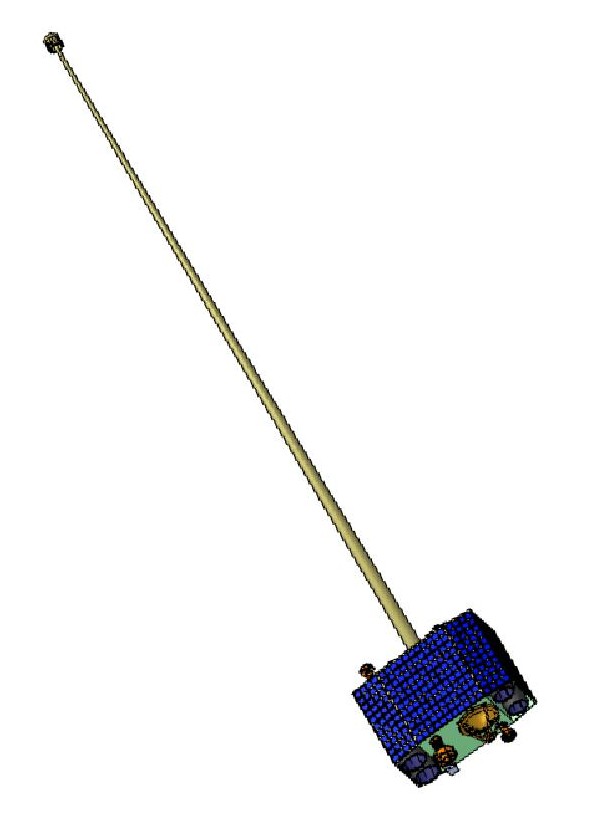
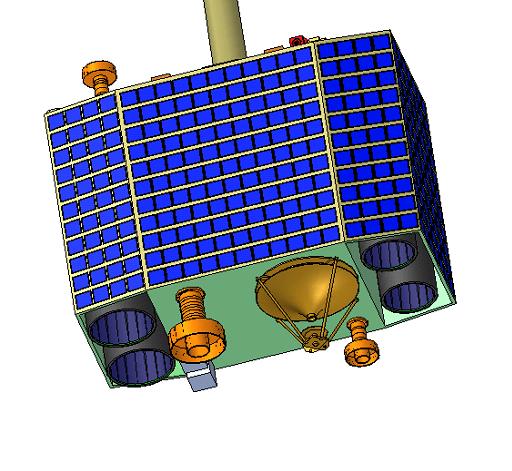
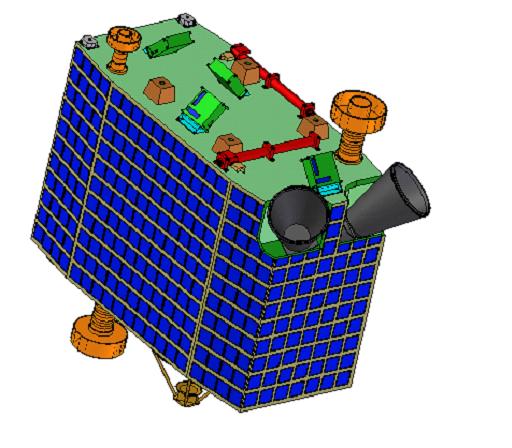
ESEMS微衛星外型 ESEMS微衛星外型(圖一) ESEMS地面軌跡圖(圖二) 成功大學地面站(圖三)

台俄微衛星合作案現況説明
台俄微衛星合作案(我方稱ESEMS/俄方稱Tatyana II)為台俄雙方以學術合作與培育人才為目的,並促進衛星技術提升,由台俄雙方大學提出研究計畫共同出資之合作案,藉由本案進而提升台灣與俄羅斯雙邊之合作。

我方研發團隊為:
1. 成功大學負責衛星電腦、飛行軟體與地面站開發
2. 中央大學負責我方科學酬載研發,
俄方研發團隊為:莫斯科大學負責發射服務、衛星設計與俄方科學酬載。

這項國際合作計畫從2006年中開始,我方大學微衛星團隊經過科學任務規劃、實驗設計、儀器研製、測試驗證及軟體撰寫等一系列研發工作,最後通過衛星系統整合測試驗證的嚴格考驗,對國內的科學團隊是一次獲益甚多的太空科技研發與學習經驗,俟衛星的初期軌道操作及科學資料的確認之後,將可正式進行電離層的科學實驗與研究。

ESEMS微衛星(外型如圖一)已於2009年9月17日由俄羅斯Soyuz-2火箭發射並成功入軌,衛星軌道為高度824km之太陽同期軌道(SSO),每天通過台灣四次,以2009年11月24日為例通過時段依序是8:20〜8:35 am、10:00〜10:14 am、7:33〜7:46 pm和 9:12〜9:27 pm,地面軌跡圖如圖二。ESEMS微衛星發射成功後,目前正進行早期軌道操作(Early Orbit Checkout)以驗證衛星健康狀態與軌道初步資料。

一般科學衛星計畫的設計,在衛星成功發射入軌後,都需先經過三至六個月的初期軌道測試程序,首先要確認衛星本體的功能正常後,再繼續進行衛星酬載的初期軌道測試程序,待全部初期軌道測試程序完成後,才正式進入衛星科學任務的運作模式,屆時衛星上所搭載的科學酬載才會依照所設定的指令執行科學實驗,並下載科學資料。目前ESEMS微衛星仍在衛星本體的初期軌道測試階段,衛星在軌道上運行時的健康資料與科學酬載的初期測試數據,皆已成功下傳至俄羅斯地面站,並藉由網路傳送至成功大學和中央大學的科學團隊分析使用中。

有關成功大學ESEMS微衛星的備援接收地面站實驗,主要是依據俄方所提供的衛星通訊規格,由成功大學團隊自主設計建置(本案備用地面站如圖三),與衛星通聯是使用L頻段與UHF頻段,而非我國衛星計畫所使用的S頻段地面站,目前已完成資料分送與建檔功能測試。在衛星本體的初期軌道測試階段,衛星並未持續對備援的地面站進行通聯測試,針對第一次與衛星的通聯測試未能成功,由於軌道資料尚待進一步釐清,太空中心人員正積極協助成功大學團隊研判分析原因,並聯繫俄方再次對備援地面站下傳衛星訊號,以供成功大學進行通聯測試。

ESEMS微衛星自發射開始至12月中旬為初期軌道測試階段,之後由俄方開始進行科學資料傳輸測試,成大地面站亦將同時進行資料接收通訊的程序,包括衛星定位追蹤與資料下傳處理,預估2010年3月將進行相關科學實驗。

Source: 台灣科學界的第一次! 自製微衛星酬載與太空飛行測試(國家實驗研究院, 2009.11.24)

"Tatyana-2" is being prepared for launch

around 4:49

22-10-2009 Microsatellite "University-Tatiana-2": a month in orbit (Roscosmos)

Analysis of the data showed that the devices functional and fully comply with the requirements of the scientific program of the global study of transient discharges.

The first scientific data from the satellite "University - Tatiana-2" indicates transient phenomena recorded over Indonesia in 20 minutes after the earthquake


Univerat-Tatyana-2 satellite constructed by students is to be launched this autumn (RUVR, 4.04.2008)

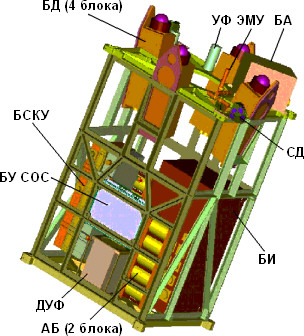
The satellite is set to study transient luminous events, which include sprites, blue jets, gigantic jets and elves. The latter were recorded on in 2005-2006 by the ultraviolet DUF detector, installed on the Tatyana-1 satellite. Elves is a frivolous acronym for Emissions of Light and Very Low Frequency Perturbations From Electromagnetic Pulse Sources. This refers to the process by which the light is generated; the excitation of nitrogen molecules due to electron collisions (the electrons possibly having been energized by the electromagnetic pulse caused by a discharge from the Ionosphere). Now Moscow University researchers are tasked with confirming their hypothesis that electrons collide with nitrogen and oxygen atoms on the basis on new cutting-edge technologies that are provided by the Nuclear Physics Research Institute of the Moscow State University. The satellite is a 70-centimeter-high rectangular prism that weights about 80 kilos. It is equipped with an upgraded model of an ultraviolet and infrared light detector (DUFIC), an observatory and a spectrometer that are reversed towards Earth. Students from Mexico and South Korea are also taking part in this experiment.

* Tatiana-2 (eoPortal)

ESEMS:Experimental Scientific Education Micro-Satellite

實驗科學教育微衛星

 モスクワ州立大学のマイクロサット・MSU-250の2号機を台湾国家宇宙計画局(NSPO)が購入、國立中央大学(NCU)が製作する磁力計と日本の電子温度プローブを搭載し、2008年に打上げ予定。


MSU-250 microsatellite (Lomonosov Moscow State University)

ESEMS system design diagram


Source: 951214 System design diagram of the ESEMS.doc

台俄微衛星科學酬載計畫構想書

Micro-satellites provide an excellent platform for the researchers and students in Taiwan, particularly, in the university environment, to develop/enhance the capability of design and fabrication of space flight instruments. We plan to utilize the collaborative talents of scientists and engineers at National Central University (NCU) to propose a suite of sensors including an electrostatic particle analyzer, a Langmur probe, a specially designed megentoresistence (MR) magnetometer to study the space weather features as well as earthquake induced signatures in the terrestrial ionosphere.

In general the scientists at NCU will assume responsibilities of the science interface, data analysis software development, in-flight instrument calibration, and post-launch science programs. The engineers at NCU will be responsible for design and fabrication of instrument, hardware construction of the digital control electronics as well as the electrical interface to spacecraft. The principal investigators from each of the subgroups will take turn to be the project manager during different phases of the project.

More specifically, Drs. Chiang and Yeh at the Institute of Optical-Mechanical- Electrical engineering of NCU are interested in new design, fabrication and spacecraft interface of a MR-magnetometer that measures high-resolution/ high-frequency magnetic field variations. The magnetometer data can be used to derive ionospheric currents as well as high-frequency electromagnetic waves that may be caused by space lighting or seismic activity. Dr. Yeh and her associates will collaborate with Dr. Frahm of SWRI in USA to re-produce a particle detector by refurbishing a redundant ESA detector previously developed for DE or UARS satellite. The type of the proposed ESA detector measures precipitating plasma particles in the energy range between 30 eV and 30 keV. The particle data can be used to study magnetic storm and substorm dynamics. Furthermore, particle boundaries (e.g., polar cap boundary) are important parameters for the specifications of most space-weather prediction models. Dr. Liu at NCU and Dr. Lin at NSPO will collaborate with Drs. Oyama and Kamogawa in Japan to investigate space weather features and seismic effects on ionospheric electron density and temperature. It is important to mention that each of the NCU team has had some experience (at least good knowledge) in the proposed sensors (see the attached brief CVs). We believe that our team is ready and would like very much to participate in the Taiwan-Russia Satellite project.

Source: ESEMS NCU science payload (very original draft of the proposal, picture of an ESA - EES)

葉則亮、江士標,“科學實驗教學”微衛星 (ESEMS) 太空氣象科學儀器之研製與應用計畫 – 子計畫二,光機電工程所, 95-NSPO(B)-SE-FA07-02(C),$4,220,000; 總計畫:葉惠卿(太空科學所)、江士標(光機電工程所 共同), 95-NSPO(B)-SE-FA07-02(A),$4,806,400, 95,04,01~97,03,31。 (預期發射日期 2008 春天)
* 台湾暦+11=西暦
─ 中大科學酬載團隊儀器控制系統: Analog Device DSP,
  http://www.cc.ncu.edu.tw/~ncume_ee/mvmc/nspotr956.htm
─ 三軸磁阻式磁場向量感測器 (採樣頻率可達 16KHz) MR,
─ 電子能譜儀 (通道篩選式 熱電漿偵測器、 數位可調式高壓電源) ESA-EES,
─ 電子溫度探測器 ETP .
Source: http://www.ncu.edu.tw/~ncume_ee/mvmc/nspo_ncu-ome.doc

リンク

  • 台俄微衛星計畫 | ESEMS Program (NSPO)
  • Milestones of the NCU Payload Development (NCU)
  • ESEMS Micro-satellite (NCKU)
  • ESEMS太空氣象科學酬載叢集(許盈晧)
  • RS-38 - Universitetsky-2 (TATIANA-2) (Mike Rupprecht - Amateurfunk)


  • 台湾中央気象局訪問記
  • 台湾の宇宙開発を支援するため台湾中央大学に赴任する小山孝一郎さん【写真】|國立中央大学太空科学研究所
  • 葉惠卿所長 簡報資料 首頁
  • integrated Search for Taiwan Earthquake Precursors (iSTEP)
  • Center for Space and Remote Sensing Research National University
  • Space Scientific and Education project of the Lomonosov Moscow State University

  • Russian Academy of Sciences Space Research Institute PROPOSAL on the development of the base platform of micro-satellite for monitoring of potentially dangerous and catastrophic phenomena. (NSC International Cooperation Sci-Tech Newsbrief)
  • Instrumentation for Fundamental and Applied Space Projects (IKI)
  • Application of space methods for studying Application of space methods for studying the problems of the health of man, the problems of the health of man, potentially dangerous and potentially dangerous and catastrophic phenomena catastrophic phenomena with the use of the universal with the use of the universal micro micro-satellite platforms satellite platforms (UN Office for Outer Space Affairs)

    [satellite.html]